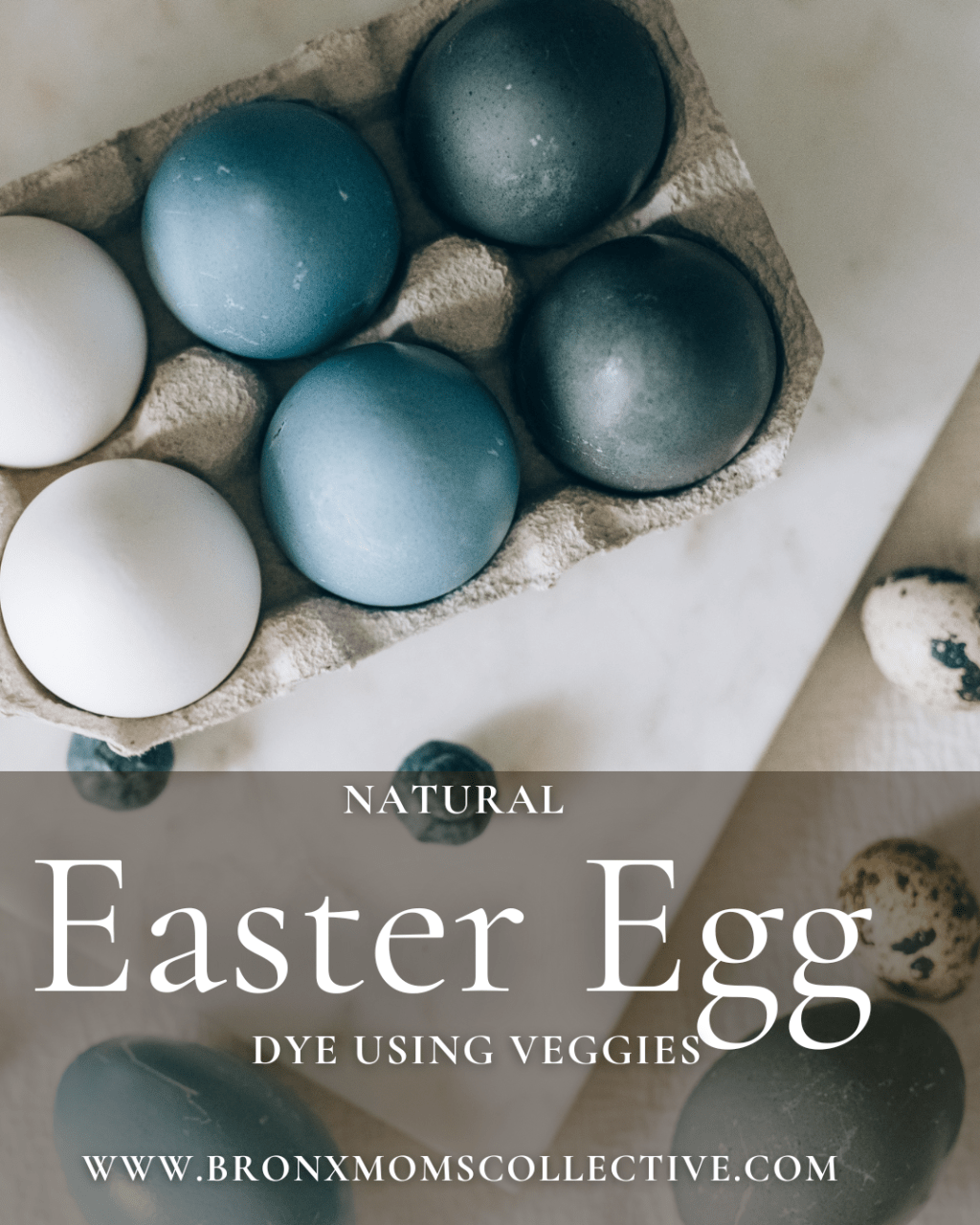
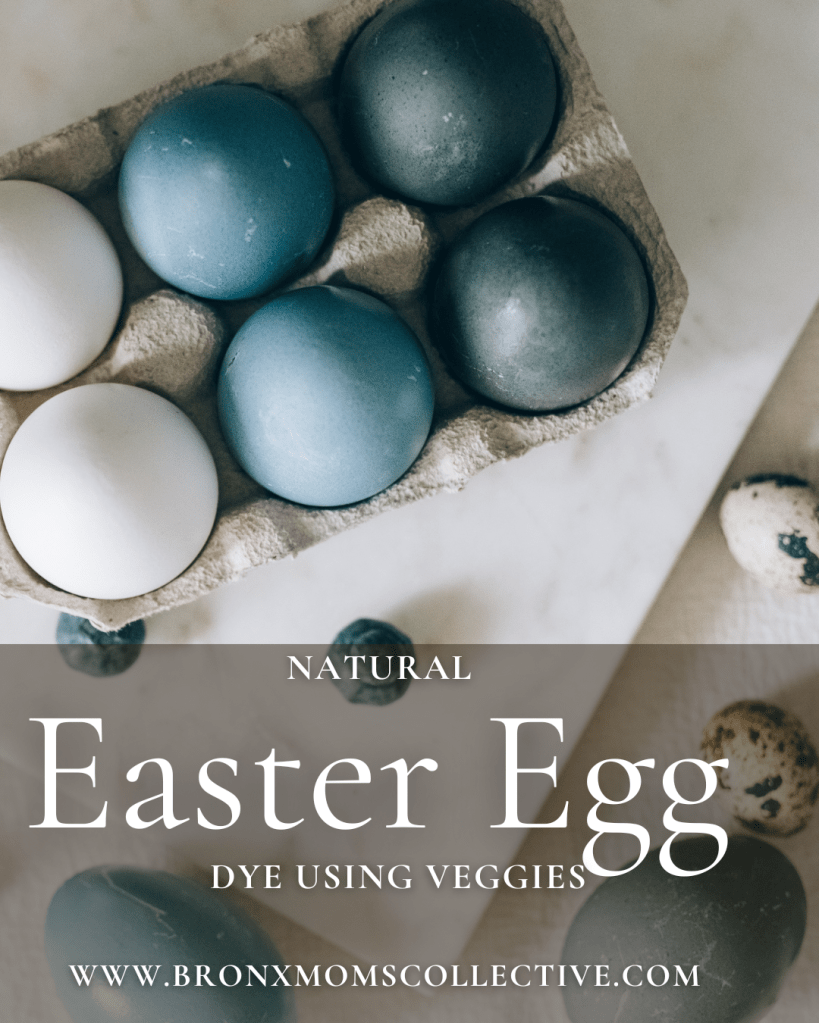
Easter is just around the corner, and this year I’ve been especially drawn to the idea of dyeing eggs using natural, homemade ingredients. There’s something about slowing down, using what you already have at home, and embracing a more organic approach that feels both nostalgic and intentional—especially with little ones involved.
If you’ve looked into natural egg dyeing, you’ve probably noticed there are a few different methods. Some recommend boiling the eggs directly in the dye so they cook and color at the same time. Others suggest preparing the dye separately—by boiling the natural ingredients, letting the liquid cool, straining it, and then soaking pre-boiled eggs. Both techniques work, but no matter which you choose, patience is key. Eggs should sit in the dye for at least 30 minutes, and the longer they soak, the deeper and more saturated the color becomes.
For best results, start with white eggs and add a tablespoon of white vinegar to the water when boiling—this helps the color adhere more effectively.
It’s important to remember that natural dyes create softer, more muted tones compared to the bright colors of store-bought kits. But that’s part of the beauty. Each egg turns out slightly different, with subtle variations that feel more artisanal than artificial. It’s also a sustainable way to repurpose ingredients you might otherwise throw away—and a simple, hands-on activity to share as a family.
Here are some natural ingredients you can use to create a range of colors:
- Red: Red onion skins
- Red-Orange: Paprika
- Raw Sienna: Yellow onion peels
- Yellow: Cumin
- Golden Yellow: Turmeric
- Light Green: Matcha tea
- Green: Spinach or fresh parsley
- Blue-Green: Red cabbage
- Blue: Purple cabbage
- Blue-Grey: Blueberries
- Purple: Grape juice or red wine
- Lavender: Hibiscus tea
- Bright Pink: Chopped beets
- Brown: Strong coffee
You can also get creative before dyeing by using simple resist techniques—drawing on eggs with a white or colored crayon, or dripping candle wax to create patterns that reveal themselves once dyed.
Like anything homemade, part of the fun is experimenting. Try different combinations, layering colors, or varying soak times to see what works best for you.
Have you ever tried dyeing Easter eggs naturally?





 Bronx Moms Collective
Leave a comment